
Choosing the Right Commercial Plywood Supplies for Your Construction Projects
Selecting the right materials plays an important role in the success of any commercial construction project. From structural performance to long-term durability, every building material contributes to the quality and lifespan of the finished space. Choosing the right commercial plywood supplies can help support project goals while meeting performance, appearance, and budget expectations.
Commercial construction projects often require plywood that meets industry standards, performs well under demanding conditions, and fits the intended application. Understanding the differences between available products can help contractors, builders, and project managers make informed purchasing decisions. The following sections explain the factors to consider when evaluating plywood products and suppliers for commercial construction.
Understand Plywood Basics
Plywood is an engineered wood product made by bonding thin layers of wood veneer together. Each layer is positioned with its grain running in a different direction than the one beside it, creating a panel with improved strength and stability. This manufacturing process helps reduce shrinking, warping, and splitting compared to many solid wood products.
Today's commercial plywood supplies are available in a variety of grades, thicknesses, and finishes to accommodate different construction requirements. Depending on the intended use, plywood can provide structural support, decorative surfaces, or moisture resistance. Understanding these basic characteristics makes it easier to choose materials that fit project specifications.
Compare Available Types
Commercial projects frequently use several different types of plywood depending on where the material will be installed.
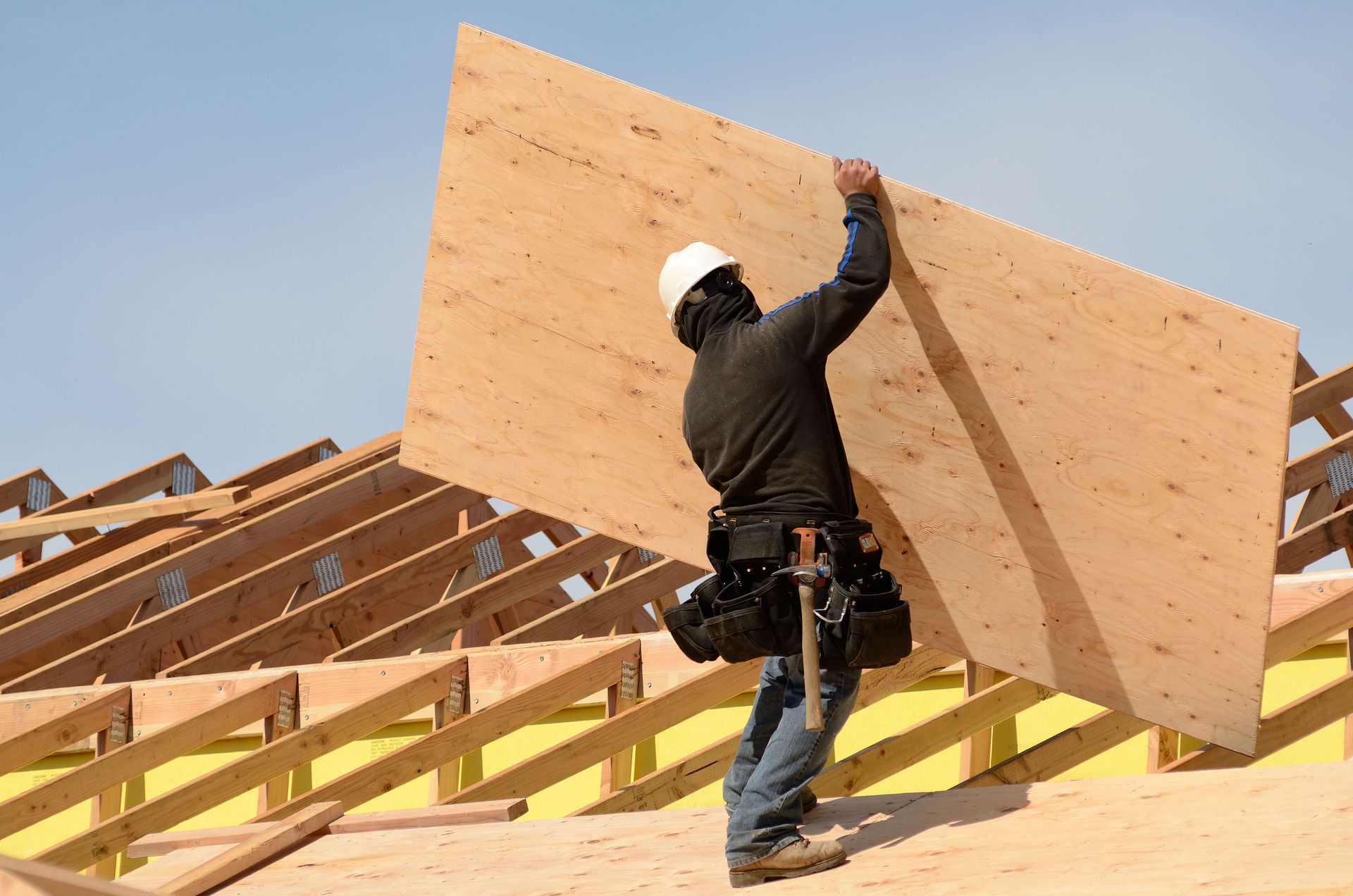
Softwood plywood is commonly used for structural applications such as wall sheathing, roofing, and subfloor systems.
Hardwood plywood is often chosen for cabinetry, millwork, and other visible interior features because of its attractive finish.
Marine plywood is manufactured to resist moisture and performs well in environments exposed to humidity or water. Fire-retardant plywood is designed to slow flame spread and may be required in certain commercial buildings to help satisfy applicable building codes.
Reviewing these options carefully helps buyers identify the most appropriate commercial plywood supplies for each stage of construction.
Evaluate Quality Standards
Not every plywood panel offers the same level of quality. Manufacturers classify plywood using grading systems that identify surface appearance and structural characteristics. Higher grades generally feature smoother surfaces and fewer visible imperfections, while lower grades are commonly used where appearance is less important.
Industry certifications also provide confidence that materials meet recognized manufacturing standards. Purchasing plywood that complies with established quality requirements helps support consistent performance throughout the project while reducing the likelihood of unexpected material issues.
Identify Project Requirements
Every commercial construction project presents different performance expectations. Before purchasing materials, it is important to evaluate how plywood will be used throughout the building.
Load-bearing walls, flooring systems, and roofing assemblies often require thicker structural panels capable of supporting significant weight. Decorative wall panels or cabinetry may prioritize appearance over structural strength.
Environmental conditions also influence material selection. Projects exposed to moisture, changing temperatures, or frequent use may require plywood with enhanced durability or protective treatments. Matching commercial plywood supplies to these specific conditions helps improve long-term performance.
Consider Appearance Needs
While structural performance remains essential, appearance also matters in many commercial environments. Offices, retail spaces, restaurants, hotels, and healthcare facilities often incorporate exposed wood finishes that contribute to the overall design.
Hardwood plywood offers attractive grain patterns and smooth surfaces suitable for cabinetry, reception desks, shelving, and decorative wall applications. Surface grades allow designers to choose finishes that complement the project's architectural style while maintaining durability.
Balance Budget and Value
Material costs represent a significant portion of many construction budgets. While it may be tempting to focus only on purchase price, evaluating long-term value often leads to better financial outcomes.
Higher-quality plywood may reduce future maintenance, replacement, or repair costs by providing greater durability over time. In some projects, using premium panels in highly visible areas while installing more economical options in concealed locations creates an effective balance between appearance and budget.
According to Grand View Research, the commercial plywood market is projected to experience the fastest compound annual growth rate of approximately 4.8% between 2026 and 2031, reflecting continued demand for commercial construction materials and expanding market opportunities.
Compare Structural Performance
Construction professionals frequently compare plywood with other building materials when planning commercial projects.
Unlike many solid wood products, plywood provides excellent dimensional stability because of its layered construction.
This reduces the likelihood of twisting, cracking, or shrinking after installation. Plywood also offers an excellent strength-to-weight ratio, making transportation and installation more manageable on large construction sites.
Review Moisture Resistance
Moisture exposure can significantly affect the lifespan of building materials. Selecting plywood designed for the intended environment helps reduce the potential for deterioration over time.
Interior applications may only require standard plywood products, while projects exposed to frequent humidity or weather conditions often benefit from exterior-rated or marine-grade plywood. Protective adhesives and manufacturing methods improve resistance to moisture while supporting long-term structural integrity.
Evaluate Supplier Reliability
Choosing a dependable supplier is just as important as choosing the right material. Reliable suppliers maintain consistent inventory, provide accurate product information, and offer materials that meet recognized quality standards. These factors help reduce delays and keep commercial construction projects moving forward.
Before purchasing commercial plywood supplies, review a supplier's product availability, delivery capabilities, and industry certifications. Customer feedback can also provide valuable insight into product quality and overall service. Working with a supplier that maintains dependable inventory and clear communication supports more efficient project planning from beginning to end.
Monitor Material Costs
Keeping construction costs under control requires careful planning throughout every stage of a project. Plywood pricing can fluctuate because of material availability, transportation costs, and market demand, making it important to monitor budgets regularly.
Rather than focusing only on the lowest purchase price, consider the overall value of the materials being purchased. Durable plywood that performs well over time may reduce future repair or replacement expenses. Evaluating total ownership costs instead of only the initial investment can support better financial decisions while maintaining project quality.
Planning purchases early and maintaining communication with suppliers also helps contractors respond to changing market conditions more effectively.
Prioritize Environmental Responsibility
Sustainability continues to influence purchasing decisions across the construction industry. Many commercial projects seek materials that support environmental goals while complying with current building standards.
Plywood manufactured from responsibly managed forests and certified through recognized forestry programs helps reduce environmental impact. Using responsibly sourced commercial plywood supplies can also support projects pursuing green building initiatives while demonstrating a commitment to responsible material selection.
Follow Industry Standards
Commercial construction materials should comply with applicable building codes and manufacturing standards. Selecting plywood that satisfies recognized performance requirements helps support structural integrity, occupant safety, and long-term reliability.
Reviewing manufacturer documentation before purchasing materials helps confirm that products meet the specifications required for the intended application. Proper documentation also assists contractors, architects, and project managers during inspections and project approvals.
Plan for Long-Term Performance
Commercial buildings are designed to serve occupants for many years, making long-term material performance an important consideration. Plywood should be selected based on expected use, environmental exposure, and anticipated maintenance requirements.
Structural applications often require panels capable of supporting continuous loads, while decorative installations benefit from products that maintain their appearance through daily use. Moisture resistance, dimensional stability, and manufacturing quality all contribute to long-term durability.
Every commercial construction project has unique requirements, and selecting the appropriate plywood involves balancing structural performance, appearance, durability, environmental considerations, and cost. Taking time to evaluate product types, quality standards, supplier reliability, and long-term value allows builders and project managers to make informed purchasing decisions that support successful project outcomes.
At Premwood LLC, we offer commercial plywood products for a variety of construction applications and are committed to helping customers find materials that align with their project requirements. Contact us today to learn how we can assist you in choosing the right commercial plywood supplies for your next commercial construction project.









Share On: