
Choosing the Right MDF Plywood Supplies for Commercial Millwork and Interior Construction
Commercial millwork and interior construction projects depend on materials that can deliver a consistent appearance, dependable performance, and efficient installation. When cabinetry, wall features, shelving, partitions, or other interior elements are being fabricated, the material selected for each application can influence both the finished appearance and the overall construction process.
MDF plywood can be a practical option for many interior applications because of its uniform composition and smooth surface. However, not every product is identical, and choosing the appropriate material requires attention to project requirements, fabrication methods, finish, and expected use.
Working with knowledgeable MDF plywood suppliers can make the selection process easier. The right supplier can help construction professionals identify materials that align with the project's specifications while supporting consistent results throughout commercial millwork and interior construction.
Evaluate Project Requirements
Every commercial interior project has different material requirements. A retail environment may require attractive cabinetry and display components, while an office project may prioritize partitions, built-in storage, or architectural wall features. Understanding how the material will be used is an important starting point before selecting a particular MDF plywood product.
Project requirements can include dimensions, thickness, surface characteristics, finishing plans, and fabrication methods. Designers, contractors, and millwork professionals should consider how the material will be cut, assembled, installed, and finished. These details can help narrow the available options and reduce the likelihood of selecting a product that does not suit the intended application.
The environment where the finished millwork will be installed also matters. Interior applications can have different demands depending on the amount of traffic, expected wear, and surrounding conditions. Establishing these requirements before purchasing materials gives MDF plywood suppliers a clearer understanding of what the project needs.
Compare Material Characteristics
MDF is known for its relatively uniform structure, which can make it useful for applications requiring a smooth and consistent surface. Its composition can also support detailed machining and fabrication. These characteristics make MDF a consideration for components where clean edges, shaped profiles, or painted finishes are important.
Not every MDF product should be treated as interchangeable, however. Density, surface quality, thickness, and other characteristics can vary between products. Commercial projects may also have specifications that require a particular material type or performance characteristic, making product selection an important part of the planning process.
According to Fortune Business Insights, the U.S. MDF market is projected to reach $2.74 billion by 2032, driven in part by increasing demand for furniture, cabinets, and shelving. This market activity reflects the broad use of MDF-related materials across interior applications, while individual projects still require careful consideration of the specific product being purchased.
Comparing material characteristics before placing an order can help ensure that the selected product is appropriate for the fabrication process. Experienced MDF plywood suppliers can also help clarify differences between available options and identify materials that correspond with the project's intended use.
Consider Fabrication Needs
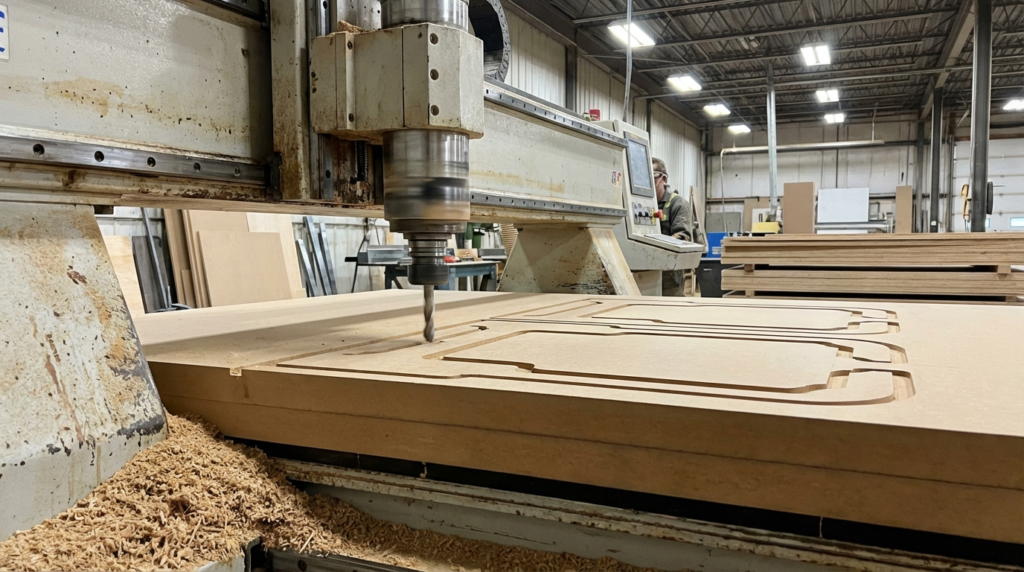
Commercial millwork often involves detailed cutting, routing, drilling, shaping, and assembly. The material selected needs to accommodate the fabrication process without creating unnecessary complications. A consistent material can make it easier for fabricators to produce components with predictable dimensions and clean surfaces.
The intended design should be considered alongside the equipment and techniques used in the shop. A material that works well for one fabrication process may not necessarily be the preferred choice for another. Discussing these requirements before purchasing can help align material selection with the capabilities of the millwork operation.
Finish requirements should also be considered during fabrication planning. Projects involving painted cabinetry, decorative panels, shelving, or architectural features may depend on achieving a smooth and uniform finished surface. Selecting a material that supports the desired finish can contribute to a more consistent appearance after fabrication and installation.
For complex commercial projects, MDF plywood suppliers may be able to provide product information that helps fabricators determine whether a particular material is appropriate for their process. Having that information before production begins can make material planning more straightforward.
Match Materials To Finishes
The planned finish is an important consideration when selecting materials for interior construction. Painted millwork, for example, requires a surface that can support the intended coating and produce the desired appearance. Decorative applications may have different requirements depending on the project's design and aesthetic goals.
A smooth, consistent surface can be especially useful when the finished product is intended to have a clean painted appearance. Proper preparation, priming, and finishing techniques still play an important role, but starting with an appropriate material can support the overall finishing process.
The relationship between the material and the finish should be discussed during the design and procurement stages. Waiting until fabrication or installation to determine whether a selected material works with the planned finish can create avoidable complications.
Reliable MDF plywood suppliers can help commercial contractors and millwork professionals evaluate products based on the intended finish. Sharing information about paint systems, decorative treatments, or other finishing requirements can help the supplier recommend materials that fit the application.
Assess Supplier Capabilities
Selecting the material is only part of the procurement process. The supplier's ability to provide consistent products, accurate information, and dependable service can also affect a commercial project's progress. Construction schedules often depend on materials arriving when they are needed, making procurement reliability an important consideration.
Product availability should be discussed before the project reaches the purchasing stage. If a specific material is difficult to source, identifying that issue early may give the project team more time to evaluate alternatives without disrupting fabrication or installation schedules.
Communication is particularly important when projects involve detailed specifications. Contractors and millwork professionals may need information about product characteristics, available sizes, surface quality, or other considerations before committing to an order. A supplier that can communicate clearly can make the purchasing process more efficient.
When evaluating MDF plywood suppliers, commercial buyers should consider more than the initial material price. Product consistency, availability, communication, and support can all influence the practical value of a supplier relationship. Looking at the complete procurement process can help businesses make more informed purchasing decisions.
Plan For Consistent Supply
Large commercial projects may require substantial quantities of material across multiple phases of fabrication and installation. Maintaining consistency between orders can be important when matching components throughout a finished space. Material planning should therefore account for the project's overall scope rather than focusing solely on the immediate order.
Ordering requirements should be coordinated with production schedules whenever possible. Fabricators need enough material to complete their work efficiently, while contractors need finished components available when installation begins. Coordinating these stages can reduce interruptions and help keep the project moving.
Storage should also be considered after materials arrive. MDF products should be handled and stored according to appropriate manufacturer recommendations so that the material remains suitable for fabrication and installation. Protecting materials from unsuitable conditions can help reduce waste and preserve their intended characteristics.
A dependable relationship with MDF plywood suppliers can support longer-term procurement planning. When suppliers understand a customer's recurring needs and project requirements, communication around future orders may become more efficient. This can be particularly useful for contractors and millwork companies handling multiple commercial interiors.
Choosing the right MDF plywood for commercial millwork requires more than selecting a material based on appearance or price. Project requirements, fabrication methods, finishing plans, supplier capabilities, availability, and storage considerations all contribute to a successful material selection process.
For commercial millwork materials that fit your project's needs, make the right choice from the start—contact Premwood LLC today and get your material planning underway.










Share On: