
The Impact of Plywood Demand on the National Economy
Plywood serves as a fundamental building block for modern infrastructure and manufacturing. Its broad utility supports immense economic activity across multiple sectors. From commercial construction to residential housing, this resilient material provides essential structural integrity. The steady demand for these wood products drives growth within national markets. Economic analysts monitor this sector because timber consumption patterns indicate broader economic health. A thriving wood panel market suggests strong consumer confidence and active capital investment.
The economic ripple effect of this demand reaches far beyond construction sites. Manufacturers rely on steady supply chains to maintain production schedules and meet market expectations. In this ecosystem, industrial plywood suppliers play a vital role. They ensure consistent material flow to various demanding industries. Their dependable operations stabilize prices, support job creation, and mitigate logistical bottlenecks. A strong wood products sector indicates a healthy national economy capable of supporting complex industrial networks. These distributors form the backbone of industrial commerce, facilitating progress across the country.
Examining the Influence on Construction Markets
The construction industry absorbs a large portion of timber products. Builders prefer engineered wood for structural framing and interior sheathing. Its impressive strength-to-weight ratio offers significant advantages over alternative building materials. Projects progress with efficiency when builders have access to ample materials. A thriving building sector generates substantial revenue for local economies. Architects specify these panels for their predictable performance under stress.
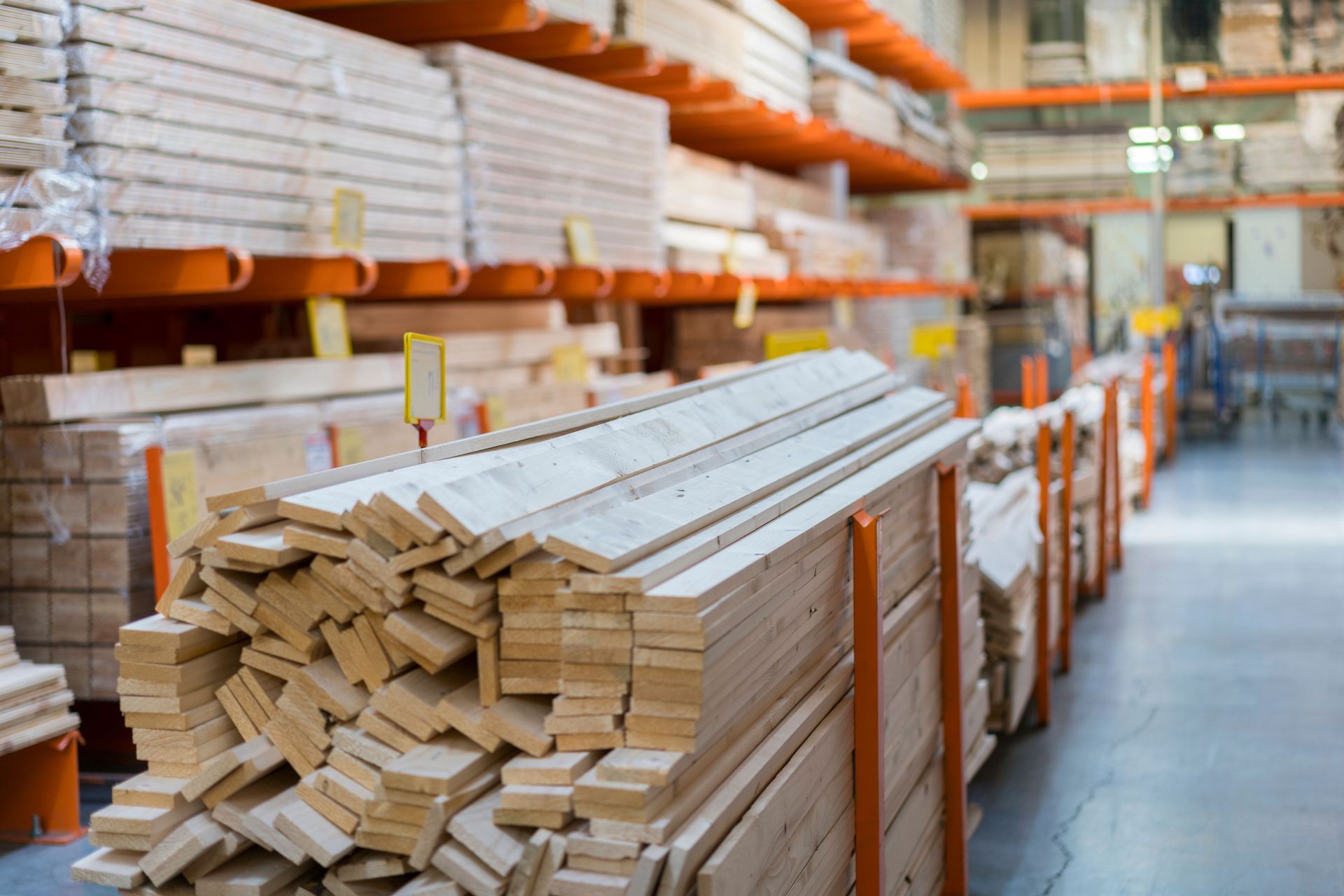
Consistent material availability prevents project delays. Disruptions increase labor costs and reduce overall profitability for contracting firms. Here, industrial plywood suppliers provide necessary market stability. By maintaining adequate inventory, they shield builders from sudden material shortages. This reliability fosters a resilient contracting environment. Contractors bid on large-scale projects with confidence, knowing their material needs remain secure against volatile price fluctuations. Their proactive inventory management protects developers.
Residential housing relies upon continuous timber production. New homes require substantial volumes of structural panels for roofs and walls. Intense demand in residential markets stimulates domestic manufacturing and local retail. Workers find employment in lumber yards, transportation fleets, and hardware retail sectors. The interconnected nature of these industries magnifies the economic benefits. Suburban expansion requires immense resources, driving continuous capital flow through regional housing markets.
Commercial development also drives material consumption. Office buildings and retail spaces utilize engineered wood for flooring systems and concrete formwork. Large-scale structural projects inject massive capital into the economy. Distribution experts manage complex logistical networks to deliver materials to active job sites. Their expertise ensures smooth operations from the forest landing to final installation. Commercial warehouses demand vast quantities of rigid panels for roofing substrates, stimulating bulk purchasing.
Analyzing the Effect on Manufacturing Sectors
Beyond construction, manufacturers incorporate timber panels into numerous consumer goods. Furniture makers depend on engineered wood for cabinetry, shelving, and modern decor. The material provides a stable substrate for decorative veneers and durable laminates. This versatility allows manufacturers to create appealing products at accessible price points. Consumer spending on these interior goods bolsters retail and wholesale markets. Interior design trends dictate material usage, pushing manufacturers to innovate.
The packaging industry utilizes massive quantities of wood products. Shipping crates and heavy-duty pallets require durable materials to protect valuable cargo. Global commerce depends on secure packaging for safe transit across oceans. The demand for shipping materials fluctuates with broad economic trade trends. High trade volumes necessitate durable packaging solutions capable of withstanding rough handling. Logistics companies purchase vast amounts of paneling to construct custom transport crates.
According to the Observatory of Economic Complexity (OEC), the United States brought in $243M of plywood and shipped out $21M in January 2025, leaving a negative trade balance of $222M. This dynamic highlights the complex nature of international timber markets. Domestic industrial plywood suppliers navigate these global trade currents with expertise. They source materials from international markets to meet diverse domestic requirements. Their strategic purchasing decisions influence market equilibrium.
Automotive and recreational vehicle manufacturers utilize structural wood components. Subflooring and interior paneling require lightweight yet sturdy materials. These specialized applications demonstrate the remarkable adaptability of the product. Innovation within the wood science field creates new manufacturing opportunities. Expanded utility leads to increased demand and broader economic stimulation. Engineers discover novel ways to integrate wood panels into modern vehicle assembly lines.
Assessing the Impact on Employment Networks
The engineered wood industry serves as a major employer across diverse regions. From forestry management to retail distribution, the supply chain requires diverse skill sets. Respected industrial plywood suppliers prioritize workforce development and employee retention. They offer stable careers with competitive compensation packages. These jobs sustain communities and contribute to local tax bases. The sector offers clear pathways for career advancement within complex industrial networks.
Forestry professionals manage timberlands to ensure sustainable resource harvests. Their expertise maintains ecological balance while providing raw materials for mills. Logging crews harvest timber and transport logs to processing facilities. These rural jobs form the economic backbone of rural regions. The income generated supports local businesses, schools, and essential community services. Land stewardship requires deep knowledge of silviculture and environmental conservation.
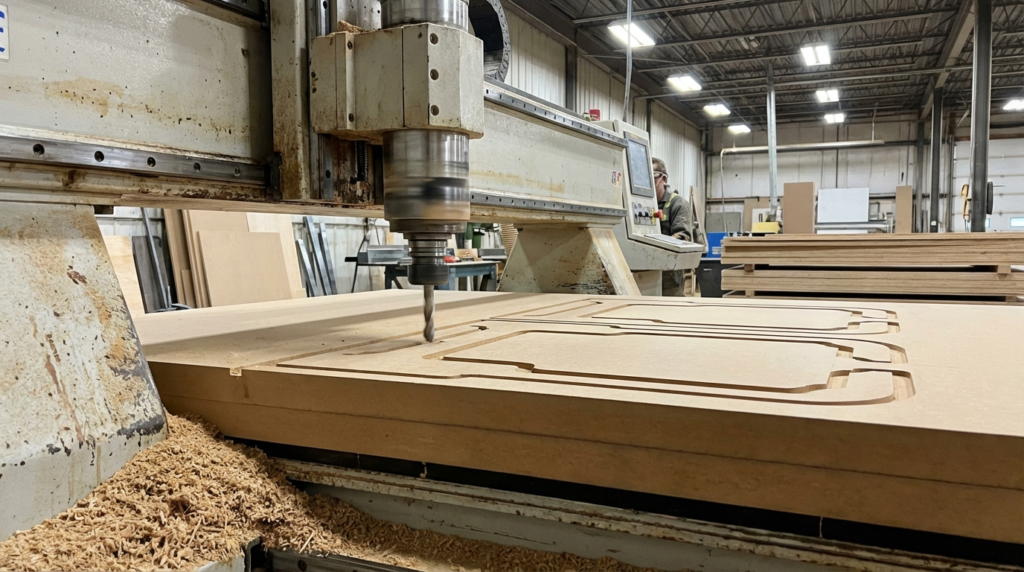
Mill workers operate complex machinery to transform raw logs into finished panels. Modern manufacturing facilities utilize advanced technology to maximize yield and minimize waste. Skilled technicians maintain this industrial equipment to ensure continuous production. The manufacturing process adds significant value to the raw natural resource. This value creation drives national gross domestic product growth. Strict safety protocols protect workers while maintaining high operational efficiency standards.
Transportation networks move finished products from manufacturing mills to end-users. Truck drivers and freight rail operators manage complex logistics to ensure prompt deliveries. This distribution network requires massive ongoing infrastructure investments. The movement of goods stimulates economic activity along major transportation corridors. Efficient logistics minimize operational costs and enhance overall market competitiveness. Port facilities handle immense volumes of imported panels, supporting maritime employment.
Exploring the Contribution to Sustainable Growth
Sustainable forestry practices ensure long-term resource availability. Trees represent a renewable resource when managed with ecological foresight. Responsible harvesting maintains forest health and promotes vital carbon sequestration. The industry embraces environmental stewardship to secure future prosperity. Green building initiatives prioritize renewable materials over carbon-intensive alternatives. Environmental certifications guide procurement decisions, favoring responsible land management practices and sustainable resource allocation.
Engineered wood maximizes the utility of harvested timber. The manufacturing process utilizes small-diameter trees and sawmill byproducts. This efficiency reduces waste and lessens the environmental footprint of building materials. Builders appreciate the uniform quality and consistent performance of manufactured panels. Environmental responsibility aligns with economic viability in modern wood production. Resource efficiency remains a primary goal for modern panel producers.
Innovation in moisture-resistant adhesives improves overall product durability. Longer-lasting materials reduce the need for frequent building repairs. This longevity conserves resources and reduces life-cycle costs for property owners. Research and development investments drive continuous improvement within the wood sector. Technological advancements create competitive advantages for domestic panel producers. Manufacturers test novel resin formulations to enhance structural rigidity and weather resistance.
The future of the engineered wood market appears promising. Demand for sustainable building materials continues to rise as environmental awareness grows. Forward-thinking industrial plywood suppliers adapt to changing market conditions. They invest in novel technologies and expand their existing product offerings. Their resilient business models ensure ongoing economic contributions for long-term prosperity. These visionary companies lead the transition toward sustainable construction methodologies.
The steady consumption of engineered wood acts as a powerful economic catalyst. Its fundamental role in construction and manufacturing cements its lasting importance. Reliable industrial plywood suppliers anchor this dynamic and essential market. They bridge the gap between natural resources and finished structural projects. Their operational excellence fuels growth across numerous diverse economic sectors. The massive scale of this industry guarantees its position as a primary driver of national wealth.
A flourishing timber industry supports rural communities and expanding urban centers alike. The interconnected web of forestry, manufacturing, and distribution creates immense financial value. By providing essential raw materials, the sector enables infrastructure development and consumer goods production. The nation benefits from the strength and underlying resilience of this vital economic pillar. Sustained demand for quality wood products ensures enduring national prosperity and industrial stability. Ensure your projects stay on schedule by partnering with Premwood LLC, where our team stands ready to meet your exact material needs. Contact us today to experience the reliable service and consistent inventory of dedicated industrial plywood suppliers.










Share On: