
How to Choose Quality Particle Board Supplies for Commercial and DIY Building Projects
Particle board has established itself as a foundational material across modern commercial construction and custom DIY fabrication. From expansive office interior buildouts to residential cabinetry, this engineered composite wood product delivers an appealing balance of structural utility, versatility, and economic efficiency. Selecting high-grade particle board supplies requires careful attention to material composition, surface treatments, and structural integrity. Project leaders and independent builders must look beyond simple surface appearances to ensure their chosen panels deliver long-lasting stability under daily operating conditions.
Navigating the vast market of composite lumber requires a thorough understanding of core technical specifications and supplier capabilities. Subpar panels can lead to unexpected sagging, edge swelling, or fastener failure down the line, compromising the overall craft and safety of your project. Evaluating density metrics, moisture resistance, formal certifications, and vendor reliability enables build teams to make strategic purchasing decisions. Sourcing dependable particle board supplies forms the bedrock of any successful building endeavor, laying the groundwork for clean finishes and structural longevity.
Understand Particle Board Fundamentals
Particle board is manufactured by combining clean wood particles, sawdust, and synthetic resin binders under intense heat and pressure. This engineered production process yields dense, uniform panels that eliminate the natural grain voids, warping tendencies, and knot defects found in raw timber. The ongoing reliance on engineered composite sheets is evident across global construction trends; according to Mordor Intelligence, global particle board volume is projected to expand from 120.21 million cubic meters in 2025 to 123.48 million cubic meters in 2026. Understanding how these core materials bond gives builders clearer insights into panel behavior under different mechanical loads.
Selecting premium particle board products requires a clear grasp of raw material inputs and adhesive resin technology. Modern manufacturers incorporate refined wood fiber blends alongside specialized binding formulations to enhance fire resistance, edge retention, and internal bond strength. Heavy-duty structural work demands panels with uniform internal density, preventing hollow pockets that weaken screwholding capacity over time. Recognizing these core manufacturing nuances ensures that builders select materials perfectly calibrated for their intended architectural or woodworking applications.
Assess Essential Quality and Material Features
Structural density serves as the primary indicator of overall panel quality and load-bearing performance throughout a build. High-density sheets resist flexing under weight, making them ideal for heavy storage shelving, modular office furniture, and subflooring installations. Lighter panels work adequately for decorative trim, wall lining, or temporary display fixtures, but high-stress environments demand structural consistency throughout the panel core. Inspecting the raw edge of a sheet provides quick visual feedback regarding compaction levels and resin distribution.
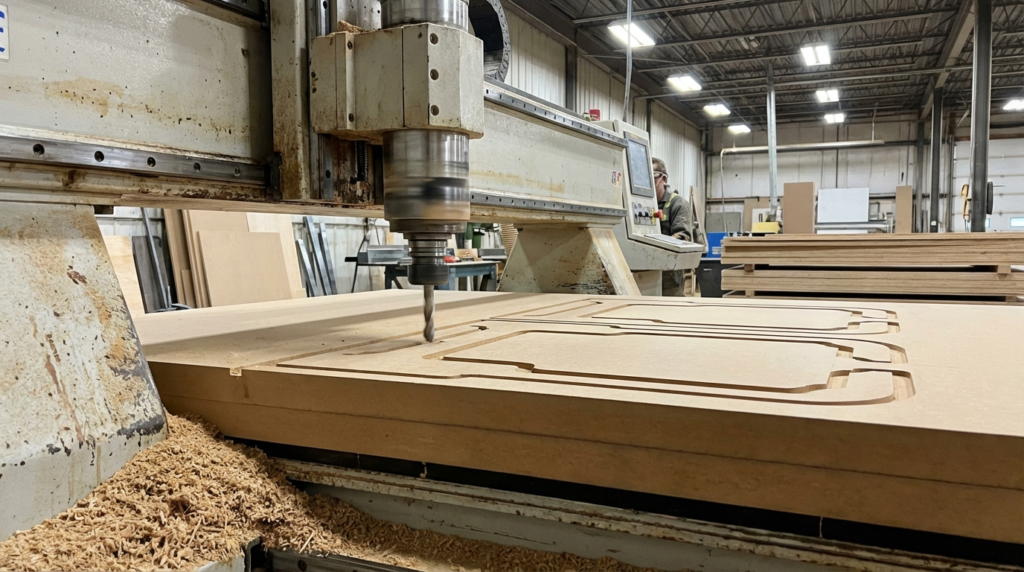
Surface finish is equally vital, particularly when building projects call for laminated coatings, paint coats, or natural wood veneers. Evaluating particle board supplies for smooth surfaces ensures seamless adhesion without telegraphing underlying wood flakes through thin outer finishes. Precision sanding during production removes surface ridges and uneven spots, cutting down on manual prep work on the job site. High-grade panels feature tight face layers that resist chipping along cuts, facilitating clean joinery and professional aesthetics.
Compare Alternative Engineered Wood Options
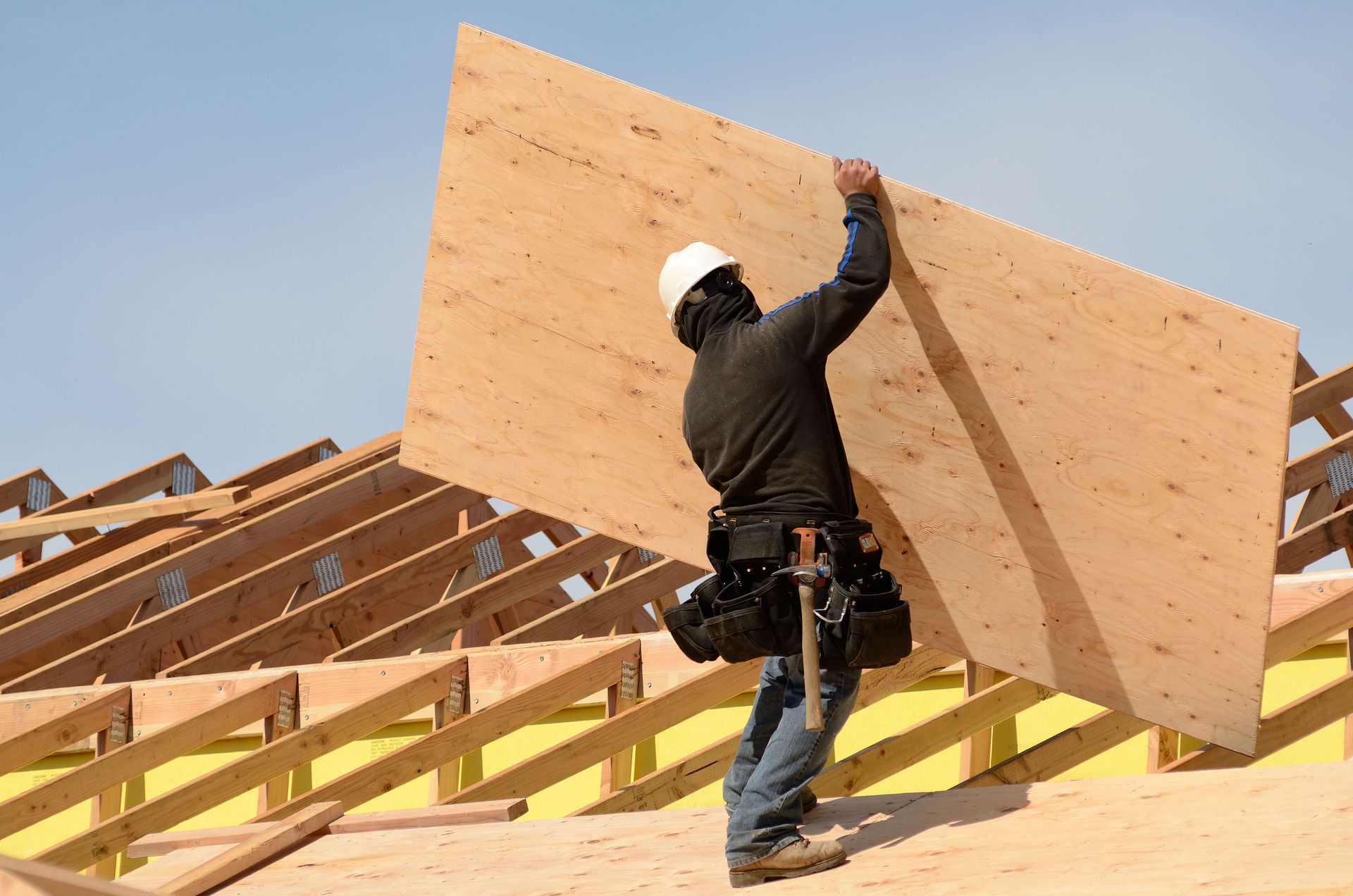
When evaluating particle board supplies against plywood or medium-density fiberboard, builders must weigh structural needs against total budget constraints. Plywood offers multi-directional tensile strength due to its cross-laminated grain layers, making it suited for heavy exterior load bearing. Medium-density fiberboard provides an ultra-smooth core tailored for detailed routing work, though it carries a heavier dead weight. Particle board stands out by offering substantial rigidity at a reasonable cost, making it an economical choice for extensive interior cabinetry and furniture framing.
Determining the correct material involves matching environmental exposure with mechanical expectations across the job site. Standard composite sheets function exceptionally well in dry interior settings, while moisture-treated variants excel in environments subject to elevated humidity levels. Combining different panel types within a single project allows construction teams to optimize material spending without sacrificing structural integrity where load demands are highest. Analyzing these trade-offs guarantees that each installation utilizes the most efficient engineered sheet available.
Inspect Supplier Credentials and Manufacturing Standards
Vetting material suppliers requires analyzing manufacturing protocols, quality management standards, and regulatory compliance guidelines. Reputable vendors maintain strict oversight over formaldehyde emissions, resin safety, and timber sourcing practices. Reviewing independent certifications ensures that incoming panels satisfy relevant safety codes for commercial space buildouts and residential homes alike. Working with established manufacturers minimizes the risk of receiving inconsistent shipments that fail compliance checks or environmental standards.
Sourcing particle board supplies from certified vendors protects project timelines and builds long-term client trust. Trusted suppliers maintain consistent quality benchmarks, offering verified spec sheets detailing internal bond strength, screw-holding power, and moisture tolerance. Reviewing customer feedback and industry references offers practical insights into how well a vendor maintains product consistency across batch shipments. Conducting background checks on prospective suppliers mitigates supply chain risks and ensures dependable material performance on site.
Balance Upfront Costs and Long-Term Value
Investing in quality structural panels balances immediate upfront expenses against long-term operational performance. Cheaper panels often present tempting short-term savings but frequently incur higher maintenance expenses due to structural sagging or water damage over time. High-grade sheets resist wear and retain mechanical fasteners securely, reducing repair rates and replacement labor costs. Calculating total lifecycle value yields a clearer financial picture than relying solely on initial purchase invoices.
Strategic budgeting involves exploring bulk order programs and volume pricing structures with reliable regional distributors. Sourcing large quantities for commercial projects allows contractors to secure volume discounts that lower unit costs across the entire bill of materials. Establishing clear purchasing contracts helps lock in predictable pricing, protecting project budgets against sudden market fluctuations. Combining smart financial planning with high-quality panel selection ensures projects remain profitable while upholding rigorous structural standards.
Streamline Bulk Procurement and Delivery Logistics
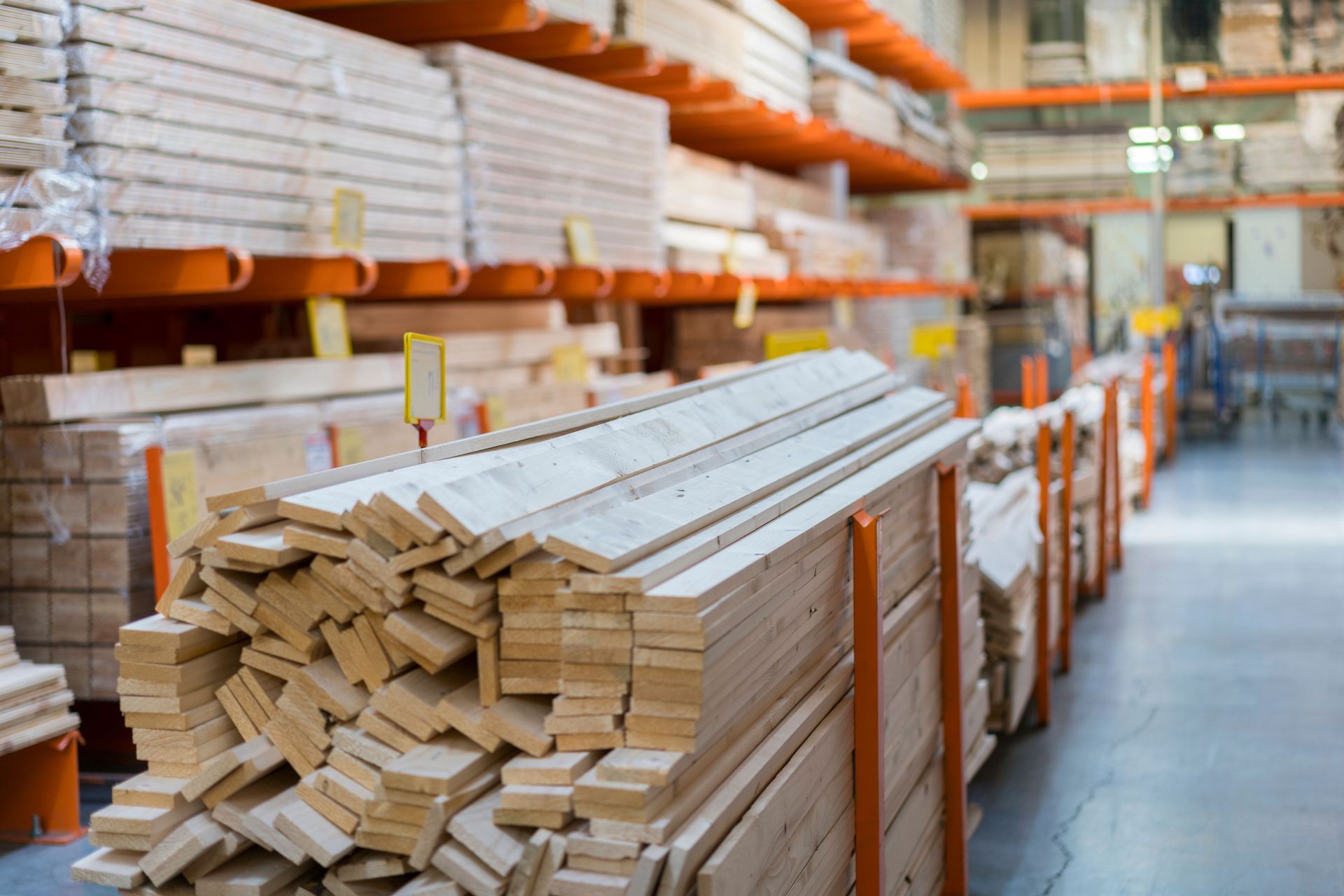
Logistical planning plays a vital role in keeping construction schedules on track and preventing costly job site delays. Sourcing materials from regional distribution hubs reduces transit timelines and lowers shipping fees significantly. Efficient freight handling prevents edge damage, moisture contamination, and surface scratches during transit, preserving panel usability upon arrival. Selecting vendors with robust warehousing capacities ensures smooth material deliveries that match dynamic project timelines.
Coordinating bulk orders for particle board supplies reduces freight costs and simplifies material staging on busy worksites. Vendors offering custom cutting, edge banding, and pre-sanding services provide valuable job-site efficiency, allowing crews to focus directly on assembly and installation. Flexible delivery schedules minimize unnecessary storage clutter, keeping products safe from atmospheric exposure until installation begins. Strong vendor partnerships ensure continuous material availability and reliable operational support throughout every build phase.
Choosing the right composite panel materials requires balancing density metrics, environmental resistance, budget constraints, and vendor credentials. Whether managing large commercial construction projects or crafting custom DIY furniture, selecting high-grade materials guarantees durability, structural stability, and superior visual finishes. Paying close attention to core composition, surface smoothness, and regulatory compliance ensures that finished structures withstand daily operational demands without premature wear or degradation.
Navigating material sourcing becomes far simpler when partnering with experienced industry suppliers dedicated to product quality and dependable service. By prioritizing structural integrity and cost efficiency, builders can consistently deliver projects that combine aesthetic appeal with long-lasting strength. For your upcoming build, contact us at Premwood LLC to source the highest-quality particle board supplies for your project needs.









Share On: